Well, it’s been awhile since we last published an issue, but we haven’t been taking a vacation by any means. Most importantly, we’ve become a 501(c)3 organization, so any funds you donate to us (which we really would like you to do) are tax deductible! We’ve also started a new website, and actually we are still working on it to make it more readable and friendly.
From the very beginning BNC’s purpose was to give a voice to Berkeley’s neighborhoods. We believe that neighborhoods where people actually know each other, speak with each other, and look out for each other are the foundation on which livable cities are built. Not so long ago, the city of Berkeley proclaimed it was a “city of neighborhoods.” Well, as you know, times change and all of a sudden Berkeley dropped that saying, and little by little, the neighborhood voice was being lost. That’s when BNC came into being.
Our Purpose: BNC was formed to provide safe harbor in which neighborhoods could discuss their issues and join together, as each chooses, to achieve the goal of giving neighborhoods a voice while respecting each other and the environment we all live in. We know that change is inevitable, but we also know that each of us has the obligation to shape that change for those that will follow by today helping resolve problems through calm and accurate information and the civil exchange of ideas.
Our Work: Our last issue listed five areas at the local level that are central to every neighborhood’s concerns. That list is repeated below, but not in a ranked order. They are all essential and all must be built on the firm foundation of transparency and accountability that extends to officials who are elected and appointed, and includes those who serve as staff. The five areas are:
- Land use issues from the flats to the hills that are significantly changing both the appearance and functionality of our City.
- Deterioration of our infrastructure, parks and City facilities.
- Public safety, including issues around crime and natural disaster.
- Lack of recognition by the UC Berkeley campus that they exist within our City.
- Lack of overall long-term financial planning.
These will be the areas on which BNC will concentrate.
Your Work: Each and every one of you can help in this effort by:
- Spreading BNC’s eNEWS bySending an e-mail to bnc50@berkeleyneighborhoodscouncil.com with the word “subscribe” in the subject list to ensure you receive your own personal copy, and
Forwarding the eNEWS to every List Serve you’re on and every personal e-mail list you have with the same request about forwarding. - Attending BNC’s General Meetings and Forums and participating in the discussions and decisions. You are the most important part of this, and YOU are needed to help plan what comes next. BNC will send you notice of all meetings and events and we understand you can’t attend everything, but please, try to make as many as possible.
Together, with your experience and knowledge, we can find a way to meet the challenges around the State taking away land use decision-making from locally elected governments and the impacts of climate change, while still maintaining and preserving urban biodiverse habitats, green open space, historic sites, diversity, and neighborhood values and neighborliness. Not an easy task, but we can do it, if we are united.
This issue is full of the kind of information we all need. Please read all about…
Hopefully everyone has heard something about the defeat of SB 827, the bill authored by State Senators Scott Wiener and Nancy Skinner that would have done away with local zoning controls in order to build apartment buildings along bus lines and stations. But do you know about the idea of getting rid of single family zoning, and the plan to come back with another bill similar to SB 827?
Neighborhood News, Round and About
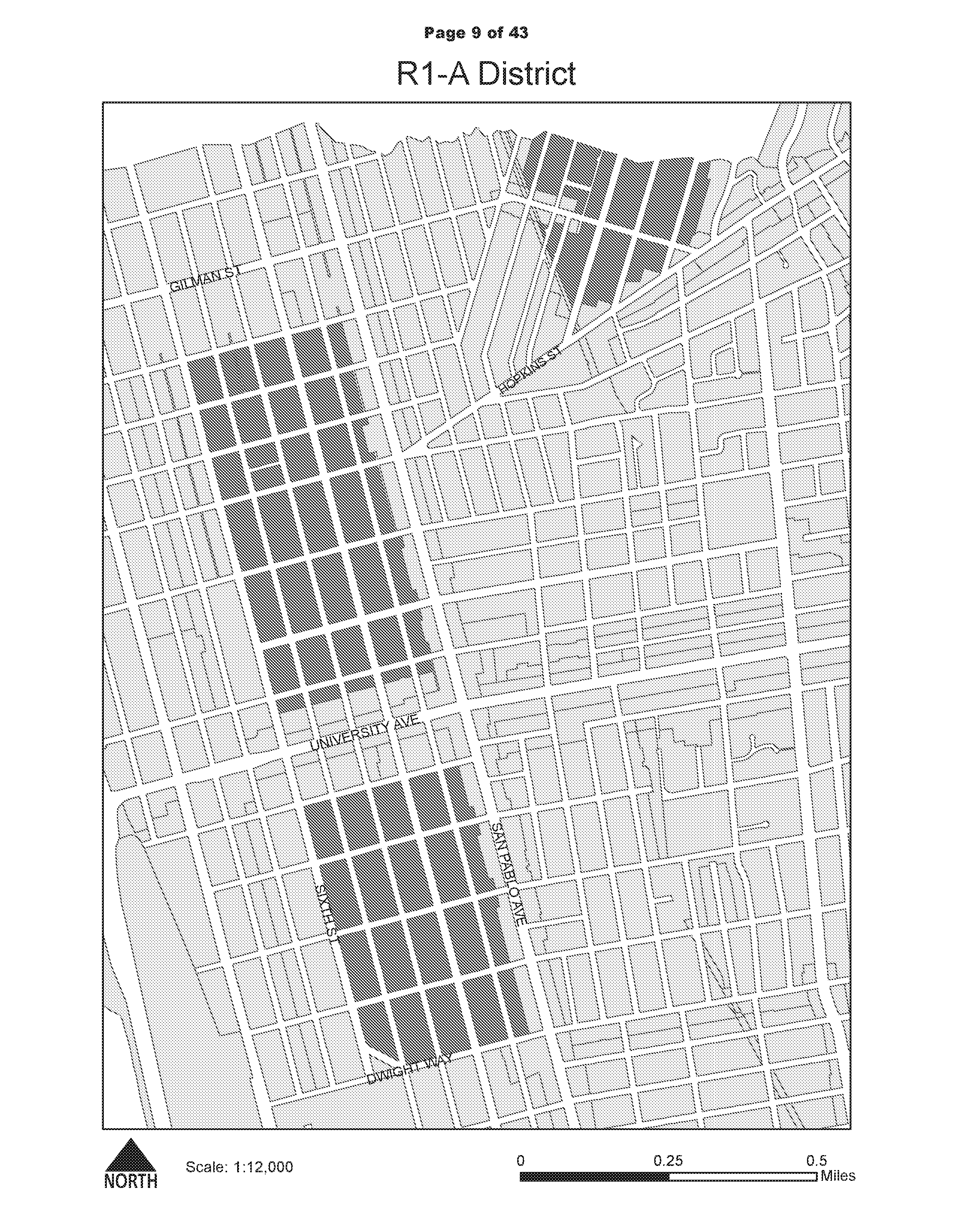
There is the good news about Council-approved changes to the R1-A Zoning District. Then there is the bad news about how the fine for violating the Berkeley Election Reform Act law that occurred in the November 2016 has been stalled for about a year and a half! Lastly there is the pending news about what is happening around the question of development on the North Berkeley BART Station’s two parking lots.
Find out about “Berkeley Considers” and how the Council supported Nancy Skinner’s bill, SB 1227 that requires the City to give a bonus, such as a height increase, to private developers who will build dorms for full-time students that include a portion of the beds for those with lower-incomes.
There is no denying that UC Berkeley has a profound effect on our City. That relationship is once again being called into question. Read about the current lawsuit against the UC Berkeley campus. Cal is being sued for not responding to increasing enrollment over what they had previously agreed to with the City and the impact on that increase on neighborhoods. Plus, what happened to the effort to landmark Campanile Way and its westerly view toward the Golden Gate. Is that view the very symbol of both the City and the University or is the fight to preserve that view just another attempt to stop the development of yet another 18-story plus building in downtown Berkeley?
On the Neighborhood Food Prowl
We say goodbye to two mom and pop food places that have each served Berkeley for around 100 years – The Elmwood Cafe on the south side, one that holds a place in Berkeley’s past political history, and The Virginia Bakery on the north side, a place that made custom cakes for well-known local clients. Who and what will take their place?
Spenger’s Parking Lot, 1900 Fourth Street, is the site where probably the largest group of the first inhabitants around San Francisco Bay lived for 4,500 years! Should it be preserved as a sacred site or should a new 260-unit apartment building, with ground-floor retail be built there? That’s the question that the City will soon have to decide. The developer is trying to get around the fact that this area has cultural significance for the Ohlone people by asking for an over-the-counter permit which he claims is allowable under State law SB 35.
We hope you will enjoy and learn from what’s in this issue. There is always much more to tell, but we just couldn’t fit everything in, so there will be much more to come. Please let us know how we are doing — what did you like (we always want to hear about that), but don’t forget we also need to hear about what you didn’t like, or where we made a mistake. We are also happy to hear your suggestions for articles on subjects that haven’t been covered, or articles/statements written by you, so please don’t hold back.
Contact us at bnc50@berkeleyneighborhoodscouncil.com. We’re always open!
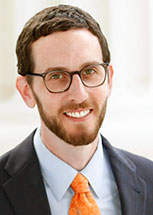 Well, Scott Wiener is not entirely unknown to the Bay Area. He was elected to the Senate in November 2016, and represents all of San Francisco, Broadmoor, Colma, Daly City and part of South San Francisco. He’s usually referred to as a “progressive” and last year he authored SB 35. (Check out “The Cultural Corner” in this E-News issue to read more about that bill’s effect on a proposed project on Spenger’s parking lot.)
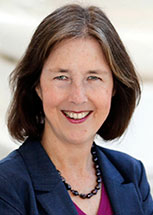 We well know Nancy Skinner, who after serving in the Assembly, was elected to the Senate in November 2016 and represents cities on the west side of the hills along the I-880 corridor in Contra Costa and Alameda Counties.
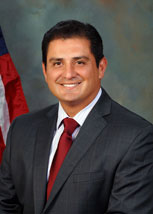 Ben Huesco came to the Senate in 2013 and represents Imperial County and parts of San Diego.
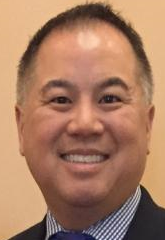 Philip Y. Ting is an Assembly Member who represents the western side of much the same area as Senator Wiener.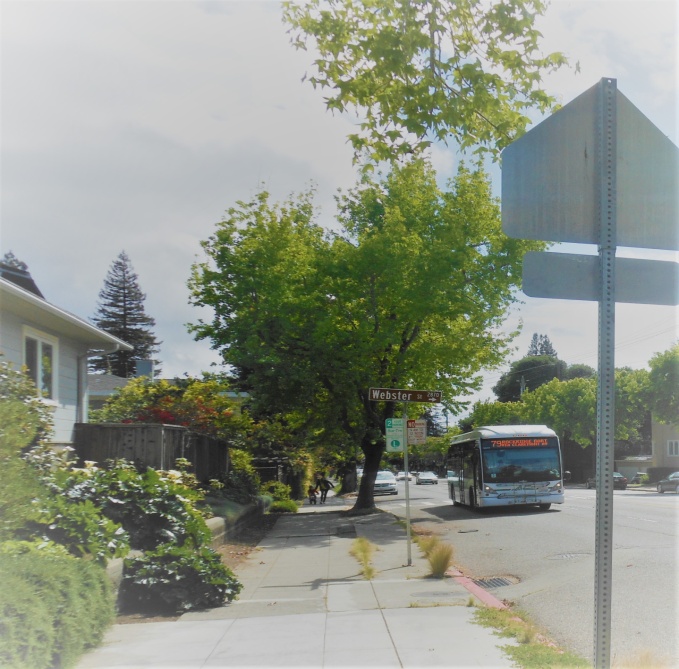
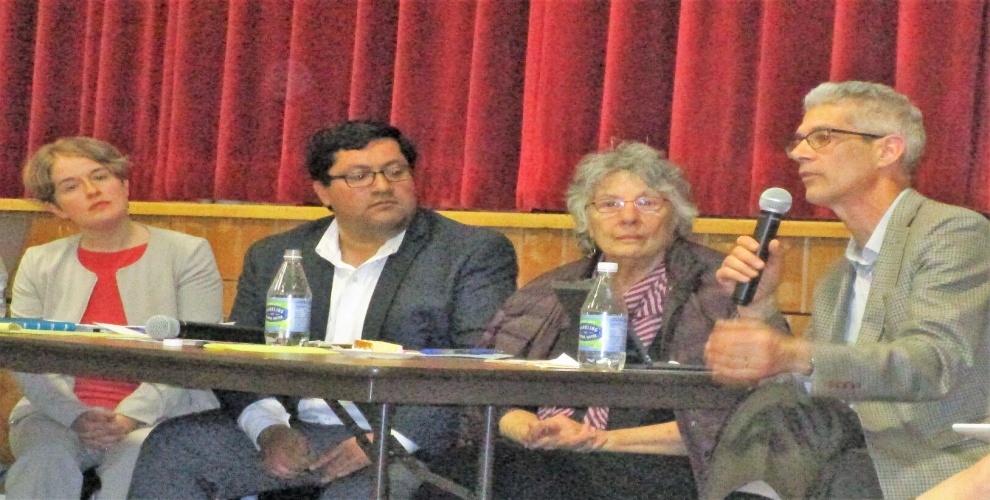
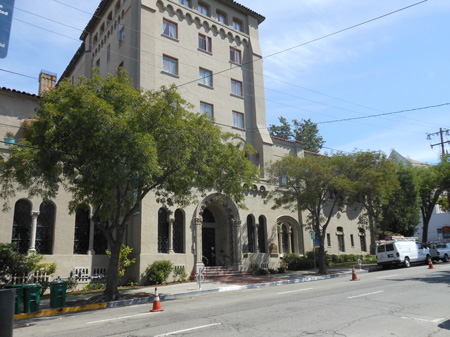 Events are already happening to carry out Mr. Wiener’s statement. One of them occurred right here in Berkeley on May 4, 2018 at the Berkeley City Club, 2315 Durant, 11:30 am to 2 pm in the Julia Morgan Ballroom. City Manager Dee Williams-Ridley provided welcoming remarks and introduced the keynote speaker, Senator Nancy Skinner. Calling it a “conversation,” it was moderated by David Garcia, Policy Director of UC Berkeley Terner Center for Housing Innovations, and Economist for BuildZoom, Issi Romem. Attending cost you $49.56 and reservations were made through the Berkeley Chamber of Commerce.

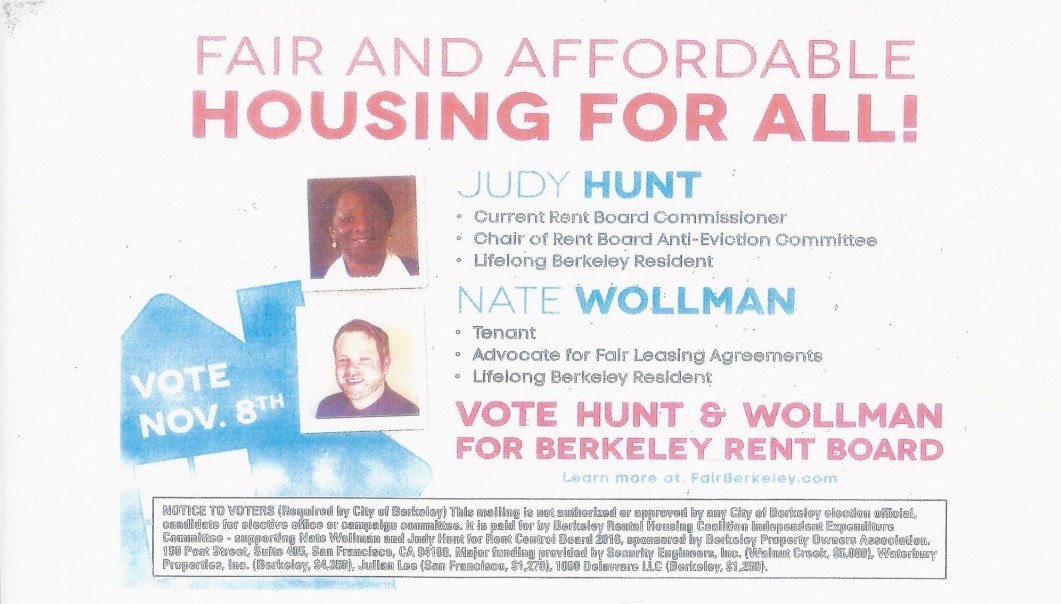 It seems that the Berkeley Rental Housing Coalition Independent Expenditure Committee (BRHCIEC) sponsored by the Berkeley Property Owners Association (BPOA) violated BERA by sending out a mailer in support of Judy Hunt and Nate Wollman for Rent Board Commissioner six days before the election and not reporting that action to the City Clerk within 24 hours of the action as is required by State and local election law. The mailer was sent out on November 2, 2016. Notice of the mailing was required by November 2, 2016. Notice didn’t occur until January 31, 2017. That’s 89 days late!
 At the March 16 meeting, BART planning chief Val Menotti, was quick to point out there are no specific proposals on the table. BART has completed 11 projects, building close to 2,000 units of housing, 35% of which were affordable and that 7 were under construction. BART’s overall goal in building station-connected housing is 35% affordable, with 20% the minimum for any one project – meaning some project will have more and others less in order to reach their 35% overall goal.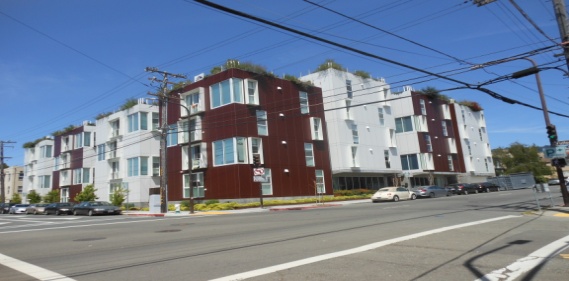
 On April 27, 2018, Phil Bokovoy, President of Save Berkeley’s Neighborhoods, a California nonprofit public benefit corporation “organized to provide education and advocacy to improve the quality of life, protect the environment and implement best planning practices in Berkeley,” filed a lawsuit in Alameda County Superior Court against UC President Janet Napolitano, UC Berkeley Chancellor Carol Christ, and 20 un-identified others. The lawsuit asks the court to compel the Berkeley campus to conduct a CEQA review to assess the impacts of the increase in enrollment and how those impacts might be mitigated.