The nomination for inclusion in this Section of this issue of the BNC eNews is Tom Clark, well-known poet and author who was a resident of North Berkeley.
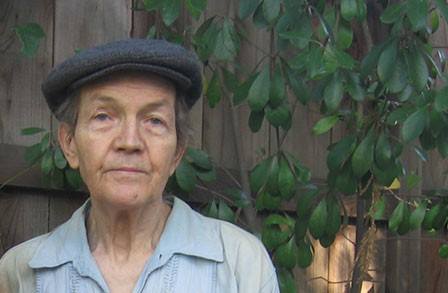 Mr. Clark, who frequently went for walks that served as a source of inspiration for his work, was struck by an auto while crossing The Alameda near Marin on Friday, August 17, 2018. Right after the accident occurred, he seemed to be lucid and was taken by ambulance to Highland Hospital Trauma Center. The next day, his condition worsened, and he died on August 18th.
Mr. Clark was 77 years old. He was born in Chicago where he grew up, developing a passion for sports by going to Chicago White Sox baseball games with his father and working as an usher at Wrigley Field. This passion for sports remained lifelong and he wrote a history of the Oakland A’s and pieces that focused on sports luminaries such as Catfish Hunter and Vida Blue.
However, he probably is better known for being the editor of The Paris Review up until 1973, and for his authorship of dozens of poetry collections, one of which was Light and Shade: New and Selected Poems, published in 2006. Two term U.S. poet laureate, Billy Collins, in reviewing that book wrote a telling tribute about Mr. Clark and his work:
Tom Clark, the lyric imp of American poetry, has delivered many decades’ worth of goofy, melancholic, cosmic, playful, and wiggy poems. I can never get enough of this wise guy leaning on the literary jukebox, this charmer who refuses to part with his lovesick teenage heart.
Mr. Clark was not only a sports fan, sports writer, and a poet, he also, later in life, became a blogger (Beyond the Pale). He also wrote theater reviews and essays for the San Francisco Chronicle and Los Angeles Times, novels, biographies (writing notably about Jack Kerouac). His career included a stint as a poetry instructor at the New College of California. He received multiple awards, including awards from the Guggenheim and Rockefeller Foundations and the National Foundation for the Arts.
The city of Berkeley will miss you Tom, but we will long remember you and thank you for the treasures that you wrote, particularly:
Time’s winged chariot is double parked near the eternity frontier.
 Then there was the news that the Environmental Working Group (EWG) – a non-profit agency that annually publishes the “Dirty Dozen Shoppers’ Guide to Pesticides in Produce” (see below for further info) – had released a report indicating their studies had found high levels of glyphosate (the active ingredient in the popular, widely-sold weed killer, Roundup) in oat-based breakfast cereals such as Cheerios and Quaker Oats. Monsanto, the company that makes Roundup responded by calling the report “propaganda” and “fake news.”
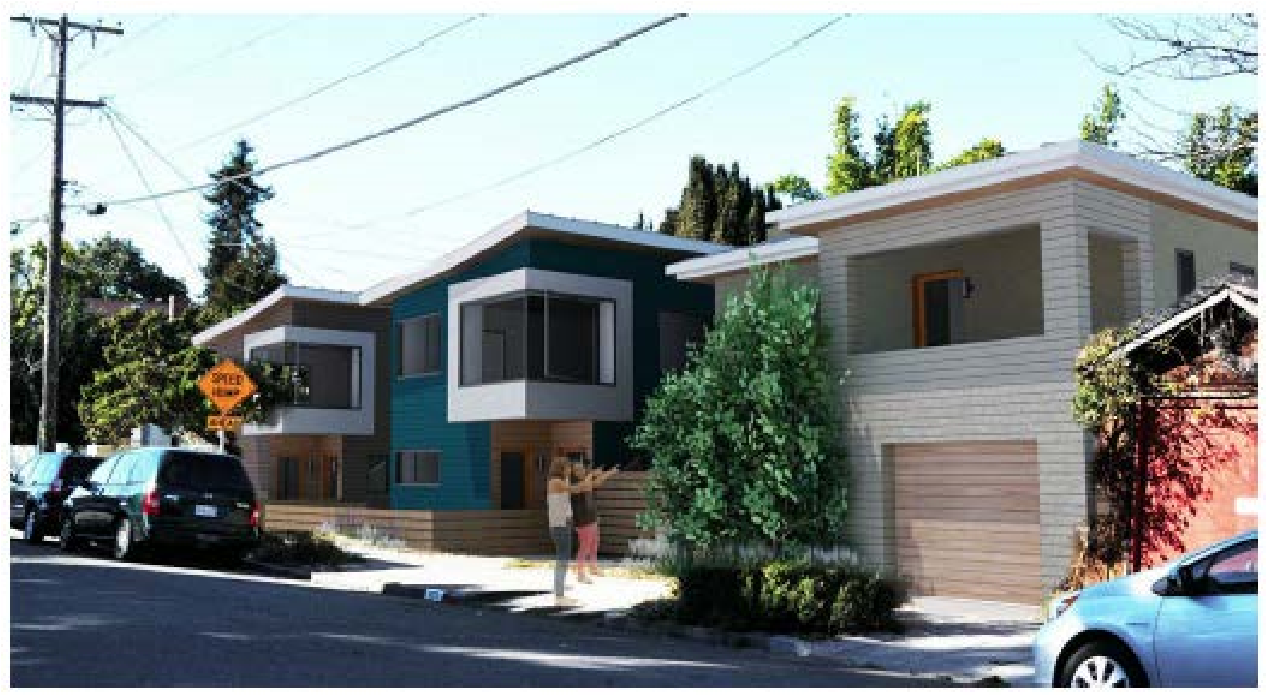 Mr. Rhoades described the differences between the former project and this one as follows: The lots would not be merged. Seven existing units would be rehabilitated and six new condominium units constructed, for a total of 13 housing units. Six of the seven existing buildings are in duplexes occupied by renters. The other existing building is a single-family home that is currently vacant. No density bonus is being sought, all buildings would be two-story, except one would have a “third-story element,” a roof garden. All existing tenants would remain in place as long as they wanted to stay, and only after they voluntarily left, would the rehabilitation work and conversion to condominium status begin. Units with four new bedrooms and four new bathrooms would be added to some of the duplexes. These would be “family units,” rather than mini-dorms.
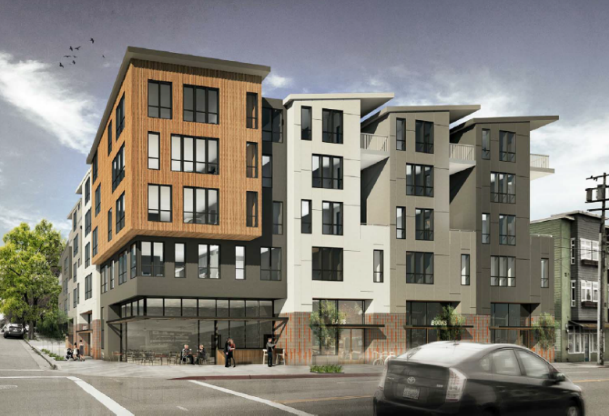 3000 Shattuck Avenue is on the southwest corner, Ashby and Shattuck intersection, 4 blocks from the Ashby BART Station. This proposed 5-story building, with 23 housing units and ground floor commercial retail, would replace an existing gas station. The applicant is Michael Cooney of Naples, Florida, represented in this matter by a person well-known to us, Mark Rhoades, who was formerly a highly-placed staff member in Berkeley’s Planning Department and who since that time, has represented many, if not most, of the applicants seeking to develop housing in our city. According to the application, the proposed housing units would be a “Co-housing Model,” i.e., 18 of the 23 housing units would have private bedrooms but shared living rooms, kitchens and bathrooms. There would be: six, 3-bedroom units; five, 4- bedroom units; six, five-bedroom units; and one, 6-bedroom unit. A roof deck and central courtyard was offered as open space.
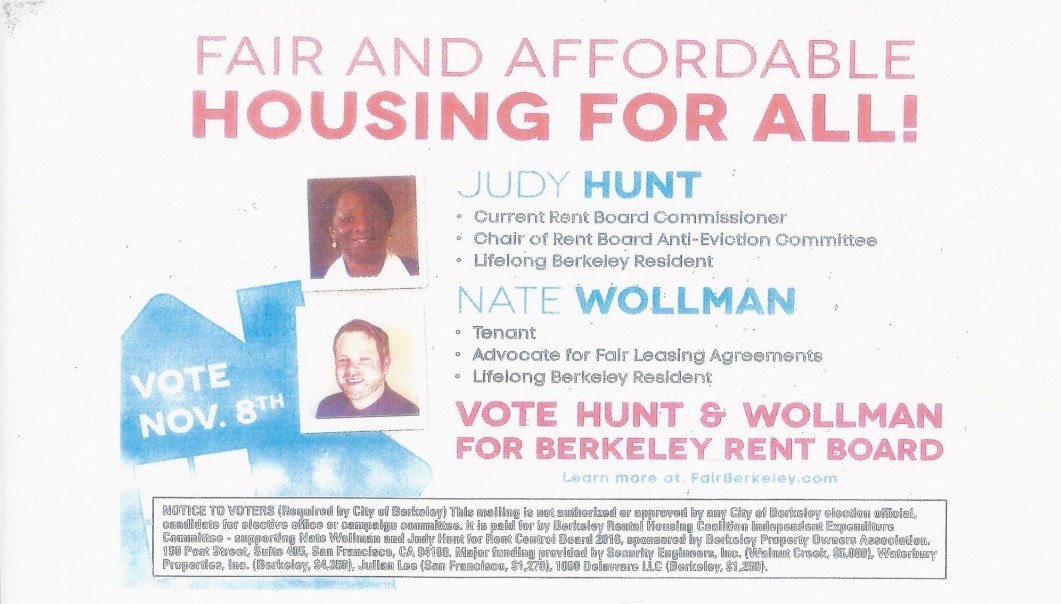 The details are not going to be re-hashed here – you can read about them in Issue 23 – but the FCPC set the fine for this violation at $18,900.84. As of May 2018, about a year and a half after the violation, they were waiting for a hearing date to be set. So, what happened?
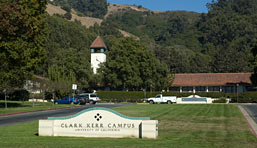 Back in the day, (1949), the California Schools for the Deaf and Blind were built there. In the 1970s they decided to move to a safer location in the city of Fremont because the Berkeley site is in the Alquist Priolo Earthquake Fault Zone. (They moved, but ironically, they found out later that their new site was also impacted by the same Hayward Fault – but that’s another story for another time.) The property was added to the National Registry of Historic Places in 1982.